
CRESS Solar
Renewable electricity for your business, delivered through the grid.
The Corporate Renewable Energy Supply Scheme (CRESS) lets corporate consumers in Peninsular Malaysia buy renewable electricity directly from a developer, delivered through the existing grid. Revera develops solar supply opportunities under this scheme.
Based on the Energy Commission's Guidelines for CRESS (third version, dated 26 December 2025) and the official sources listed on this page.
View sourcesMalaysia's energy transition
Targets are set in capacity. Your bill is measured in energy.
The National Energy Transition Roadmap (NETR) targets a renewable share of 40% of installed capacity by 2035 and 70% by 2050. These targets describe the generating capacity being built. They do not describe the share of electricity actually generated, which depends on how plants operate.
Renewable share of installed capacity, NETR targets.
Installed capacity
The maximum output that power plants can deliver. NETR renewable targets are expressed as a share of installed capacity.
Electricity generated
The energy actually produced over time. Solar generates during daylight, so its share of generation differs from its share of capacity.
Official grid data
The Grid System Operator (GSO) publishes operational data for the Peninsular Malaysia grid, including demand, generation mix and solar output. Figures change continuously. They give operational context and are not a measure of progress toward NETR targets.
How CRESS works
Three separate arrangements: electricity, contracts and certificates.
Electricity moves through the shared network. Payment and responsibilities are set by contracts. Green attributes follow their own path through certificates.
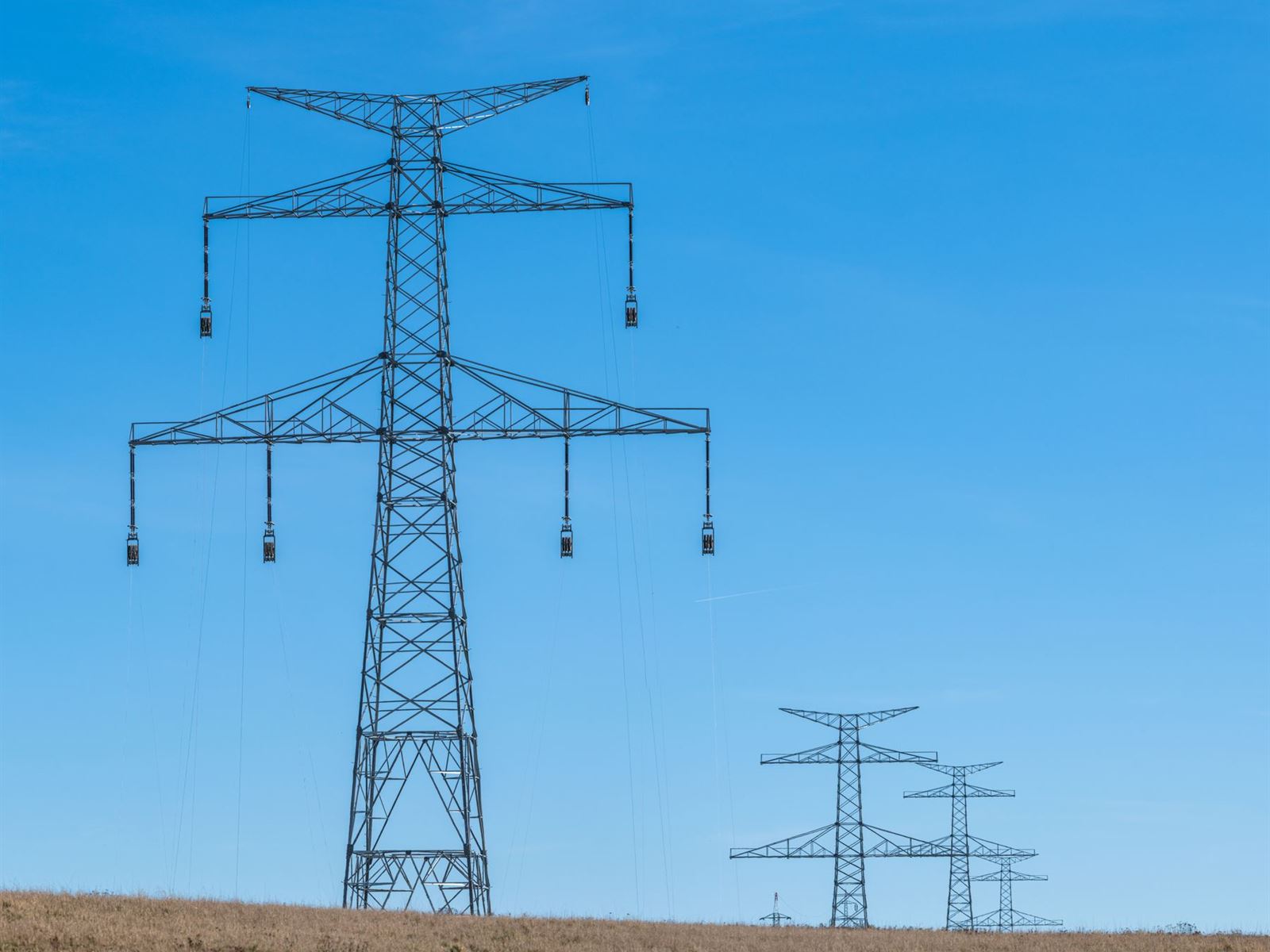 Illustrative image
Physical electricity
Solar plant
A new plant developed, owned and operated by the developer, directly connected to the grid. Storage is added where firm output is required.
Grid network
The Grid System Operator manages dispatch and system security, and may adjust plant output when system conditions require.
Utility connection
The electricity utility manages the last-mile connection to your premises and meters your consumption.
Your facility
You consume electricity from the network. There is no private line between the plant and your facility.
Contracts
Bilateral Energy Supply Contract
You and the developerPrice, term, billing, supply interruptions and any transfer of green attributes. Reviewed by the Single Buyer before signing.
Corporate Renewable Energy Supply Agreement (CRESA)
You and the utilityThe utility supplies any electricity the developer does not, up to your declared demand, as supplier of last resort.
NEDA Agreement
Developer and Single BuyerMarket participation, settlement and the system access charge.
Renewable Energy System Access Agreement
Developer and Grid OwnerTechnical requirements for network access.
Backfeed Agreement
Developer and utilityElectricity supply to the plant itself.
Certificates
Owned by the developer
Under CRESS, green attributes belong to the developer of the solar plant.
Transferred by contract
They are transferred to you as set out in your Bilateral Energy Supply Contract.
Redeemed in Malaysia
Renewable energy certificates (RECs) are redeemed in Malaysia according to international standards.
Whether certificates meet your reporting needs depends on the framework you report under. Attributes linked to excess energy sold to the grid belong to the Single Buyer.
Eligibility & assessment
Who can participate, and how it is assessed.
Eligibility is confirmed through the application process. This page is a summary and not a determination.
- You are a registered high-voltage or medium-voltage consumer of the electricity utility in Peninsular Malaysia.
- Under the current guidelines, you are a new customer of the utility, or an existing customer with new or additional demand.
- The developer applies through the Single Buyer on your behalf, including your company details and a term sheet for the supply contract.
- A power system study assesses the grid connection. The Single Buyer issues a conditional verification, then a final verification.
- The Single Buyer reviews the Bilateral Energy Supply Contract before it is signed.
Charges & responsibilities
What appears on your bill, and who pays what.
Your monthly utility bill shows
- Your total consumption
- Energy supplied by the developer
- Energy supplied by the utility (the difference)
- Charges for utility-supplied energy, fixed charges and services
- Your actual maximum demand
Payment to the developer
You pay the developer for renewable electricity at the rate and terms agreed in the supply contract.
System access charge
Levied by the Single Buyer on the developer for use of the network, based on energy exported. It is fixed for each three-year regulatory period, and any revision is capped at 15%. Rates are published by the Energy Commission.
Firm and non-firm output
A plant that meets firm-output requirements pairs solar with storage of at least 50% of its capacity for four hours. Otherwise a higher system access charge applies. This is where battery storage (BESS) can play a role.
Excess energy and shortfalls
How excess generation is treated is set by your supply contract. When the plant generates less than you use, the utility supplies the remainder.
Value to the offtaker
Potential advantages, assessed case by case.
Off-site renewable electricity
Access renewable electricity from an off-site solar plant, without depending on available rooftop space.
Negotiated terms
Commercial terms are negotiated with the developer, giving a framework for long-term procurement planning.
Support for renewable-energy objectives
Green attributes, when transferred under the contract, can support your renewable-energy targets and reporting.
Proposals built on your data
Supply proposals are assessed against your consumption, load profile and future demand.
These are potential advantages, not guarantees. CRESS does not by itself guarantee lower bills, fixed prices, uninterrupted solar supply, full renewable coverage, RE100 compliance or specific emissions reductions. Outcomes depend on the assessment, the negotiated contract and system conditions.
Buyer FAQs
Common questions from corporate buyers.
Who is eligible?
Under the current guidelines, a green consumer must be a registered high-voltage or medium-voltage consumer of the electricity utility in Peninsular Malaysia, as a new customer or an existing customer with new or additional demand. Eligibility is confirmed through the application process.
What information do you need from us?
Your facility location and supply voltage, recent electricity bills or interval data showing consumption and load profile, your renewable-energy objectives and reporting needs, and any planned changes in demand.
How does the electricity reach our facility?
Through the existing grid. The solar plant exports to the grid, the Grid System Operator manages dispatch, and the utility delivers electricity to your premises. There is no private line between the plant and your facility.
What happens when solar output is lower than our demand?
The utility remains your supplier of last resort for your declared demand under your agreement with it (the CRESA). Your monthly bill shows how much electricity came from the developer and how much from the utility.
How should we assess the total cost?
Look at the whole picture: the price agreed with the developer, utility charges for the remaining supply, fixed and maximum-demand charges, and how the contract treats excess generation or shortfalls. The system access charge is levied on the developer and is a factor in its pricing. We do not quote savings before an assessment.
Do we receive renewable energy certificates?
Green attributes belong to the developer and can be transferred to you under the supply contract. Certificates are redeemed in Malaysia according to international standards. Whether they meet your reporting needs depends on the framework you report under.
What are the steps toward a proposal?
Initial discussion, demand assessment, an indicative supply proposal, then commercial and technical evaluation. If both parties proceed, the developer applies through the Single Buyer, including a power system study and review of the supply contract.
Sources
Official sources
Last reviewed: 7 October 2026
This page is a general summary for information only and is not legal, regulatory or financial advice. Scheme rules may change; refer to the latest official guidelines.
- Energy Commission: CRESS programme page
- Guidelines for CRESS, third version (26 December 2025)
- Single Buyer: CRESS
- National Energy Transition Roadmap (Ministry of Economy)
- MIDA: NETR renewable energy targets
- Energy Commission MyEnergyStats: NETR 2050 targets
- Grid System Operator: Peninsular Malaysia grid data
Share your facility location, electricity consumption and renewable-energy objectives.
We will use them to prepare for an initial commercial discussion.